Compare Local Contractors for Expert Shrub Shaping Services
Compare local contractors for shrub shaping to define scope, verify experience, and set clear expectations, ensuring a successful and satisfying property enhancement.
Shrub shaping is a specialized service that involves trimming, pruning, and sculpting shrubs to enhance their appearance and health. This work typically covers tasks such as removing dead or overgrown branches, maintaining desired shapes, and ensuring that shrubs grow in a controlled and aesthetically pleasing manner. Property owners often seek shrub shaping to improve curb appeal, create defined landscape features, or maintain the overall health of their plants. When considering this service, it’s important to clearly define the scope of work-whether it’s a light trimming or a more detailed sculpting-to ensure that the finished result aligns with expectations.
Defining the scope of shrub shaping work plays a crucial role in managing project outcomes. A detailed scope helps property owners communicate their specific goals to service providers, reducing the risk of misunderstandings or incomplete work. It’s helpful to specify which areas or plants need attention, the desired level of shaping, and any particular techniques or styles preferred. Documenting these details in writing provides a clear reference for both property owners and contractors, helping to set realistic expectations and ensuring that the work performed meets the agreed-upon standards.
Comparing local contractors for shrub shaping involves evaluating their experience, reputation, and the scope of services offered. Property owners should consider asking for references or examples of previous work to assess the quality of a contractor’s service. It’s also useful to verify how each contractor approaches scope and communication-whether they listen to client needs, provide detailed plans, and document the work in writing. By taking the time to compare different service providers, property owners can select a local contractor who understands the specific requirements of shrub shaping and can deliver results that align with their landscape goals.
Compare local contractors by outlining your priorities, verifying experience, and clearly defining scope and expectations.
- Compare Contractor Credentials - Review the experience and reputation of local contractors to ensure reliable shrub shaping services.
- Define Service Scope Clearly - Establish specific details of the shrub shaping work to set accurate expectations.
- Verify Experience and Expertise - Confirm that local service providers have relevant skills for shaping shrubs effectively.
- Document Project Details in Writing - Keep a written record of scope, expectations, and agreements to prevent misunderstandings.
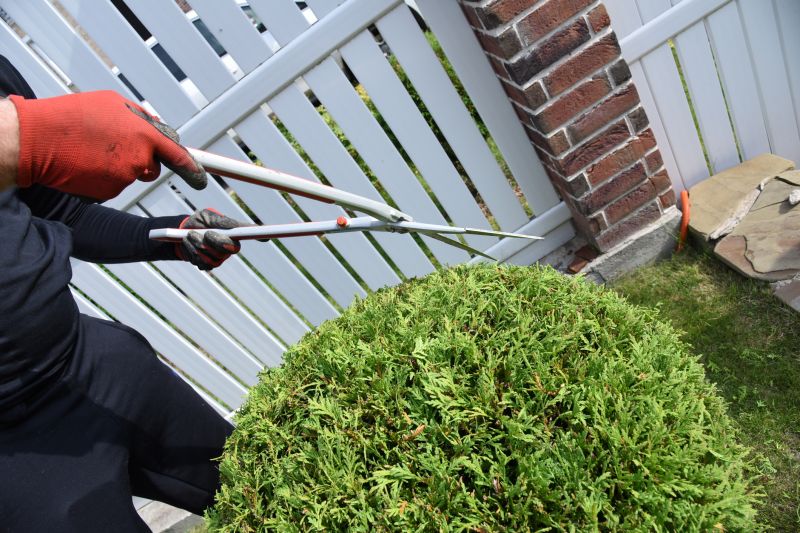
Clearly describe your shrub shaping project and compare local contractors’ experience and scope to set proper expectations.
- Verify experience and expertise in shrub shaping to ensure the contractor can handle the specific needs of the project. - Look for contractors who clearly define the scope of work and services included in their proposals.
- Compare different service providers to understand their approaches and methods for shrub shaping to find the best match for the job. - Ensure that contractors provide detailed descriptions of their shaping techniques and tools used.
- Review credentials and references to assess a contractor’s track record with shrub trimming and shaping projects. - Confirm that they have successfully completed similar projects in the past.
- Discuss and document project expectations, including the desired shrub shape and any specific pruning requirements, in writing. - Clear communication helps prevent misunderstandings and sets a basis for quality work.
- Ask about the process and techniques the contractor uses to shape shrubs to ensure they align with your landscape goals. - Understanding their approach can help determine if it suits the desired outcome.
Use this to compare local contractors, clarify scope, verify experience, and set clear expectations.
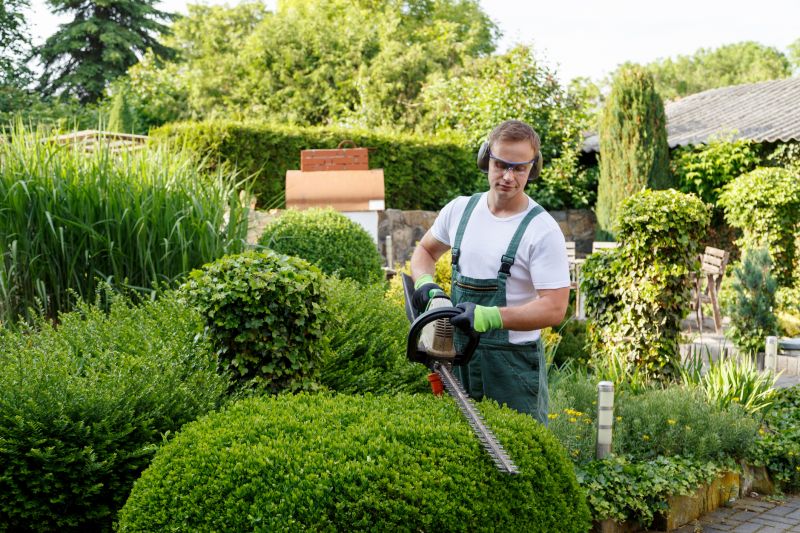



Learn how to compare local contractors for shrub shaping by defining scope, verifying experience, and setting clear expectations.
- Scope Definition - Clearly specify the desired shape, height, and overall appearance of the shrub borders.
- Experience Verification - Confirm that service providers have relevant experience in shrub shaping and horticultural practices.
- Material and Technique Clarification - Determine the types of tools and trimming methods the contractor plans to use.
- Work Area and Plant Details - Identify the specific shrubs to be shaped and any access considerations or restrictions.
- Written Agreement - Ensure all scope details, expectations, and responsibilities are documented in a formal agreement.
When comparing contractors for shrub shaping, it’s essential to evaluate their experience with similar projects. Homeowners should inquire about the types of shrubs they have shaped in the past and whether they have worked on properties comparable in size and style. Contractors with a proven track record in shrub shaping are more likely to understand the nuances of different plant species and the best techniques to achieve desired results. Gathering details about their previous work can provide insight into their familiarity with the scope and complexity of shrub shaping projects similar to the one at hand.
A clear, written scope of work is a crucial factor when assessing potential service providers. Homeowners should seek contractors who can articulate the specific tasks involved, including the extent of shrub trimming, shaping styles, and any additional landscaping considerations. A detailed scope helps set expectations and ensures that both parties agree on what will be done. It also provides a reference point for evaluating the completeness of the service and helps prevent misunderstandings that can arise from vague or incomplete descriptions.
Verification basics involve confirming that contractors have the necessary experience, skills, and understanding of shrub shaping techniques. Homeowners can ask for references or examples of completed projects, and verify the contractor’s familiarity with different shrub types and shaping methods. It’s also helpful to confirm that the contractor’s approach aligns with the homeowner’s desired aesthetic and functional goals. By establishing a baseline of competence and experience, homeowners can better gauge whether a service provider is capable of delivering quality results.
When evaluating options, homeowners should focus on the contractor’s communication, professionalism, and ability to provide a comprehensive written plan. Comparing how clearly contractors explain their approach, the details they include in their scope, and their responsiveness can reveal their level of professionalism. It’s important to consider how well each service provider understands the project’s requirements and whether they can produce a detailed, written outline of the work. This process helps ensure that expectations are aligned and that the chosen contractor can effectively meet the specific needs of the shrub shaping project.
Ask contractors to provide written scope details to ensure clear expectations and consistent project understanding.
- Scope of Work - What specific shrub shaping services do local contractors include in their offerings?
- Experience and Expertise - How do local service providers demonstrate their experience with shrub shaping projects?
- Comparison of Services - What differences exist between contractors' approaches to shrub shaping and trimming?
- Work Expectations - How should scope, materials, and methods be detailed in the service agreement?
- Qualifications and References - Can local contractors provide references or examples of past shrub shaping work?
What should I consider when choosing a contractor for shrub shaping? It's important to compare the experience, reputation, and scope of services offered by different local contractors to find the best match for your shrub shaping needs.
How can I verify a contractor’s experience with shrub shaping? You can review their portfolio, ask for references, or inquire about their previous projects to ensure they have relevant experience in shrub shaping.
What details should be included in a service agreement with a shrub shaping contractor? A clear written scope of work, specific tasks to be performed, and any agreed-upon expectations should be documented to prevent misunderstandings.
How do I compare different contractors for shrub shaping services? Consider their expertise, reviews or references, the range of services offered, and how well they understand your specific shrub shaping needs.
Is it helpful to ask contractors about their approach to shrub shaping? Yes, understanding their techniques and methods can help determine if their style aligns with your desired outcome and expectations.
Why is it important to set expectations in writing when hiring a shrub shaping contractor? Having a written agreement helps ensure all parties are clear about the scope, responsibilities, and standards for the project, reducing potential conflicts.
Contractors for shrub shaping offer a range of services to help maintain and enhance the appearance of outdoor spaces. Visitors learned how to define the scope of the work, verify the experience of local service providers, and ensure expectations are clearly outlined in writing. Comparing different contractors can help identify suitable options that meet specific needs and preferences.
To find the right shrub shaping contractor, use the quote form to explore and compare local service providers. Gathering information through this process can assist in making informed decisions and connecting with professionals who are well-equipped to handle the job.