Compare Local Contractors for Bush Shaping Services
Compare local contractors for bush shaping to define scope, verify experience, and set clear expectations, ensuring your property project meets your needs.
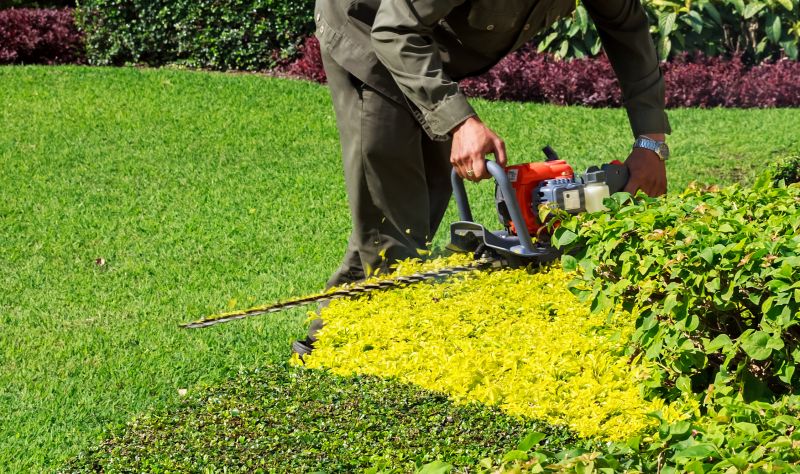
Bush shaping services typically involve the careful trimming and contouring of shrubbery and hedges to enhance the appearance and functionality of outdoor spaces. This work can include trimming overgrown branches, creating defined shapes, and maintaining the overall health of the plants. Proper bush shaping not only improves curb appeal but can also promote healthier growth by removing dead or diseased branches. When engaging with service providers, property owners should clarify the specific scope of work, such as the extent of trimming, desired shapes, and any preservation of existing landscape features, to ensure the results meet expectations.
Defining the scope of bush shaping projects is essential for establishing clear expectations and avoiding misunderstandings. A detailed scope helps specify which areas or plants require attention, the level of trimming desired, and any particular style or form to be maintained. Documenting these details in writing provides a reference for both property owners and contractors, reducing the likelihood of disputes and ensuring that the work aligns with the property owner’s vision. Clear scope definition also assists in evaluating the experience and capabilities of different local contractors, as it allows for better comparison of their approaches and expertise.
Property owners can effectively compare local contractors by reviewing their experience with similar bush shaping projects and seeking references or examples of past work. It's important to verify that contractors understand the scope and have the skills necessary to deliver the desired results. When evaluating service providers, consider their communication style, professionalism, and ability to provide detailed proposals that outline the work to be performed. By focusing on these practical aspects, property owners can select experienced local contractors who are well-equipped to handle the specific requirements of their bush shaping needs.
Compare local contractors by outlining your project priorities, verifying experience, and clearly defining expectations in writing.
- Compare Contractor Credentials - Review the experience and reputation of local contractors to ensure reliable bush shaping services.
- Define Project Scope Clearly - Specify the work details and expectations in writing to align with service providers.
- Verify Experience and Expertise - Confirm that contractors have relevant skills and background for bush shaping projects.
- Request Written Agreements - Document all project details, including scope and responsibilities, to set clear expectations.

Before comparing local contractors for bush shaping, clearly describe your project scope and verify their experience.
- Verify experience and expertise in bush shaping services to ensure the contractor understands the scope of the work. - Look for local contractors who have a proven track record with similar projects.
- Compare multiple service providers to assess their offerings, scope of work, and reputation in bush shaping services. - Gathering information from different sources helps identify qualified and reliable contractors.
- Define the project scope clearly in writing to prevent misunderstandings and set proper expectations for the work involved. - Ensure all details, including the extent of bush shaping, are documented before work begins.
- Check references or reviews from previous clients to gauge the quality of work and professionalism of local contractors. - Feedback from past customers can provide insights into their experience with the service provider.
- Assess the communication process to determine how well the contractor explains the work and responds to questions. - Clear and prompt communication is essential for a smooth project.
- Confirm that the contractor provides a detailed written agreement outlining the scope, responsibilities, and expectations for the bush shaping service. - A comprehensive contract helps protect both parties and ensures clarity on the project details.
Use this service to compare local contractors, clarify scope, verify experience, and set clear expectations.



Learn how to compare local contractors, define project scope, verify experience, and set clear expectations in writing.
- Project Scope - Clearly define the extent of bush shaping work to be performed, including specific areas and desired outcomes.
- Experience and Expertise - Verify that local contractors have relevant experience in bush shaping to ensure quality results.
- Material and Equipment Requirements - Specify any materials, tools, or equipment needed for the project to align expectations.
- Design and Style Preferences - Outline preferred shaping styles or techniques to guide the service provider’s approach.
- Documentation and Agreements - Document all scope details in writing to establish shared understanding and prevent misunderstandings.
When comparing contractors for Bush Shaping Service, it is important to evaluate their experience with similar projects. Service providers who have a history of performing bush shaping work in environments comparable to your property are more likely to understand the specific challenges involved. Inquire about the types of properties they have worked on, the scope of past projects, and the techniques they have used to ensure effective results. A contractor’s familiarity with local terrain and vegetation can be a valuable indicator of their ability to handle your specific needs efficiently.
A clear, written scope of work is essential for establishing shared expectations and avoiding misunderstandings. When evaluating contractors, ask for detailed descriptions of the services included, such as the extent of bush shaping, the methods employed, and any specific areas that will be addressed. A comprehensive scope should outline what is and is not included in the project, providing a transparent basis for comparison. This documentation helps ensure that both parties are aligned on the work to be performed and reduces the potential for surprises or disagreements later on.
Verifying a contractor’s basics involves confirming their ability to deliver quality work through evidence of past projects, references, or examples of completed work. While formal licensing or certification may not be a requirement, it is useful to seek out service providers who can demonstrate their experience through prior work. Request references or reviews from previous clients to gain insights into their reliability and workmanship. Additionally, verifying that the contractor has the necessary equipment and resources to complete the project can help assess their readiness and professionalism.
When evaluating options, focus on how well each service provider’s experience, scope of work, and verification methods align with your project’s needs. Look for clear communication about their methods and ensure that the scope of work is detailed and specific. Consider how transparent they are about their experience and whether they can provide evidence of successful past projects. By carefully comparing these aspects, homeowners can select a contractor who is well-equipped to handle the job and meet expectations, all while ensuring the process is straightforward and based on clear, written information.
Ask for written scope and details to ensure clear expectations and consistent work quality with contractors.
- Experience Verification - How can I confirm the contractor’s experience with bush shaping projects similar to mine?
- Scope Definition - What details should be included to clearly define the scope of work for bush shaping?
- Comparison Criteria - What factors should be used to compare different local contractors beyond pricing?
- Work Approach - How do I clarify each contractor’s method or approach to bush shaping to ensure it meets my expectations?
- Written Agreements - What key elements should be documented in the written scope and expectations to prevent misunderstandings?
How can I compare different contractors for bush shaping services? To compare contractors, review their experience, services offered, and customer feedback. It's helpful to ask for references or examples of previous work to assess their expertise and reliability.
What should I specify when defining the scope of bush shaping work? Clearly outline the area to be shaped, the desired shape or appearance, and any specific techniques or tools to be used. Providing detailed instructions helps ensure the contractor understands your expectations.
How can I verify the experience of a bush shaping contractor? Ask about their previous projects, years of experience, and whether they have worked on similar terrain or vegetation. Requesting references or reviews can also provide insight into their proficiency.
Why is it important to have the scope of work in writing? Having the scope documented helps prevent misunderstandings, ensures both parties agree on the work to be performed, and provides a reference point if questions or issues arise later.
What questions should I ask a contractor before hiring for bush shaping? Inquire about their experience, the methods they use, the types of equipment they employ, and how they handle unexpected challenges during the project.
How can I ensure the contractor understands my expectations? Communicate your desired outcome clearly, ask for their input, and confirm that all details are documented in writing before work begins. This helps align expectations and reduces misunderstandings.
By exploring the details of different contractors, visitors can better understand how to define the scope of their bush shaping project, verify the experience of service providers, and set clear expectations in writing. This approach helps ensure that choices are made based on relevant factors and aligned with specific project needs, making it easier to compare options effectively.
Utilizing the quote form provides a straightforward way to connect with local contractors who can handle bush shaping services. It offers an opportunity to gather information, compare local options, and find service providers equipped to meet individual requirements-all without the need for direct contact until ready.